

Songbirds Identification Guide: How to Spot Popular Singers
Songbirds can turn any backyard or park into a live concert, but only if you know who is singing. With a few visual cues and listening tricks, you can quickly recognize the most popular feathered performers.
Key Principles for Identifying Songbirds
- Start by noting the bird’s size, comparing it in your mind to a sparrow, robin, or crow.
- Observe the overall shape, such as a chunky sparrow, sleek robin, or long-tailed mockingbird.
- Focus on the bill, since thick cone-shaped bills suggest seed-eating finches and sparrows, while thin pointed bills fit insect hunters like warblers.
- Check color patterns rather than individual colors, such as wing bars, eye stripes, caps, or breast spots.
- Watch behavior, noticing if the bird hops on the ground, clings to trunks, or flits restlessly among leaves.
- Note habitat, such as dense shrubs, open lawns, forest edges, or wetlands, to narrow your options.
How to Use Songs and Calls
- Listen for rhythm, deciding whether the song is a steady trill, a clear whistle, or a complex improvisation.
- Pay attention to pitch changes, identifying songs that slide up and down, stay level, or end on a sharp note.
- Compare speed, noticing quick buzzy warbler songs versus slower, flute-like thrush or robin phrases.
- Learn a few memory phrases, such as “cheer-up, cheerily” for the American Robin or “tea-kettle, tea-kettle” for the Carolina Wren.
- Practice with one common species at a time using bird apps or online libraries to build your ear gradually.
Field Marks of Popular Backyard Singers
American Robin
- Look for a gray back, warm orange-red breast, and white lower belly on a medium-sized bird with a yellow bill.
- Expect to see it running and pausing on lawns while delivering a clear, melodious series of whistles from trees.
Northern Cardinal
- Look for a bright red male or brownish-red female with a pointed crest and thick red bill.
- Listen for loud, clear whistles that repeat phrases like “cheer-cheer-cheer” from high, exposed perches.
Song Sparrow
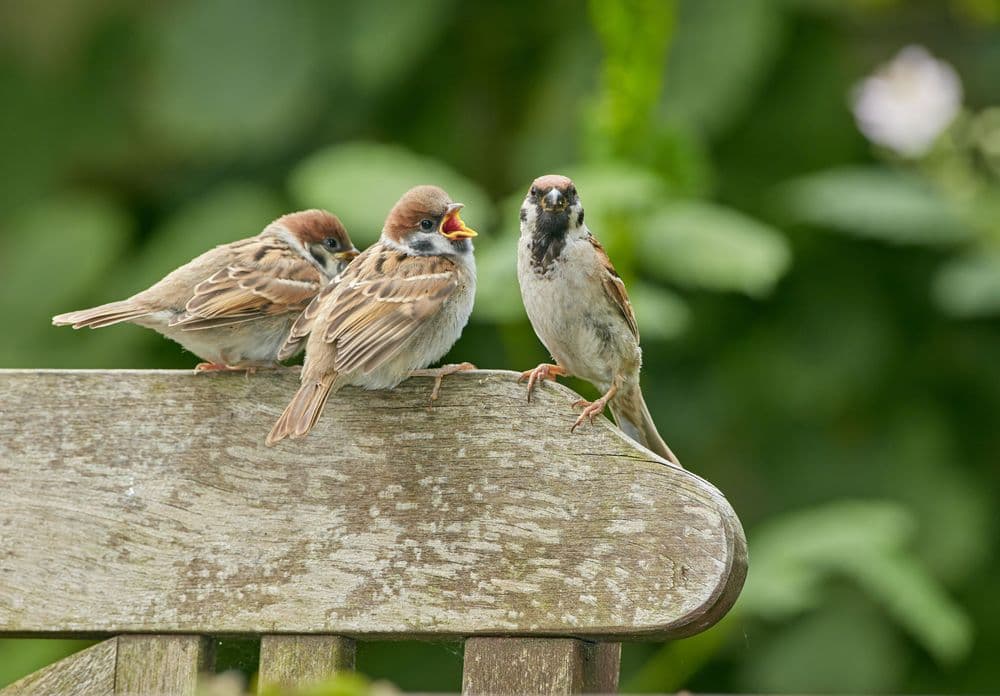
- Look for a streaky brown sparrow with a central dark spot on the breast and a rounded tail.
- Learn its variable song that starts with a few clear notes and tumbles into buzzy trills.
House Finch
- Look for a small, streaky brown bird with rosy red on the head and chest of the male.
- Notice its bouncy, cheerful song made of jumbled notes that often spill out from wires or feeders.
Northern Mockingbird
- Look for a gray bird with a long tail and bold white wing patches that flash in flight.
- Recognize its long song made of repeated phrases, often copying other birds, car alarms, or frogs.
Practical Tips for Fast Progress
- Keep a small notebook or notes app to record date, place, behavior, and song impressions.
- Use binoculars to study one feature at a time, such as bill shape or wing pattern, rather than the whole bird.
- Revisit the same park or yard regularly so you learn which singers are “regulars” through the seasons.
- Practice “sit and listen” sessions where you identify first by ear, then confirm with a quick visual check.
Conclusion
Songbirds become far easier to identify when you combine size, shape, field marks, behavior, and voice. Focus on a handful of common species, and let their songs guide your eyes. With regular practice and quick notes in the field, your ear and memory will sharpen. Soon, you will recognize your local songbird singers almost as easily as your favorite human artists.
 X
X Facebook
 Telegram
 Instagram
 WhatsApp