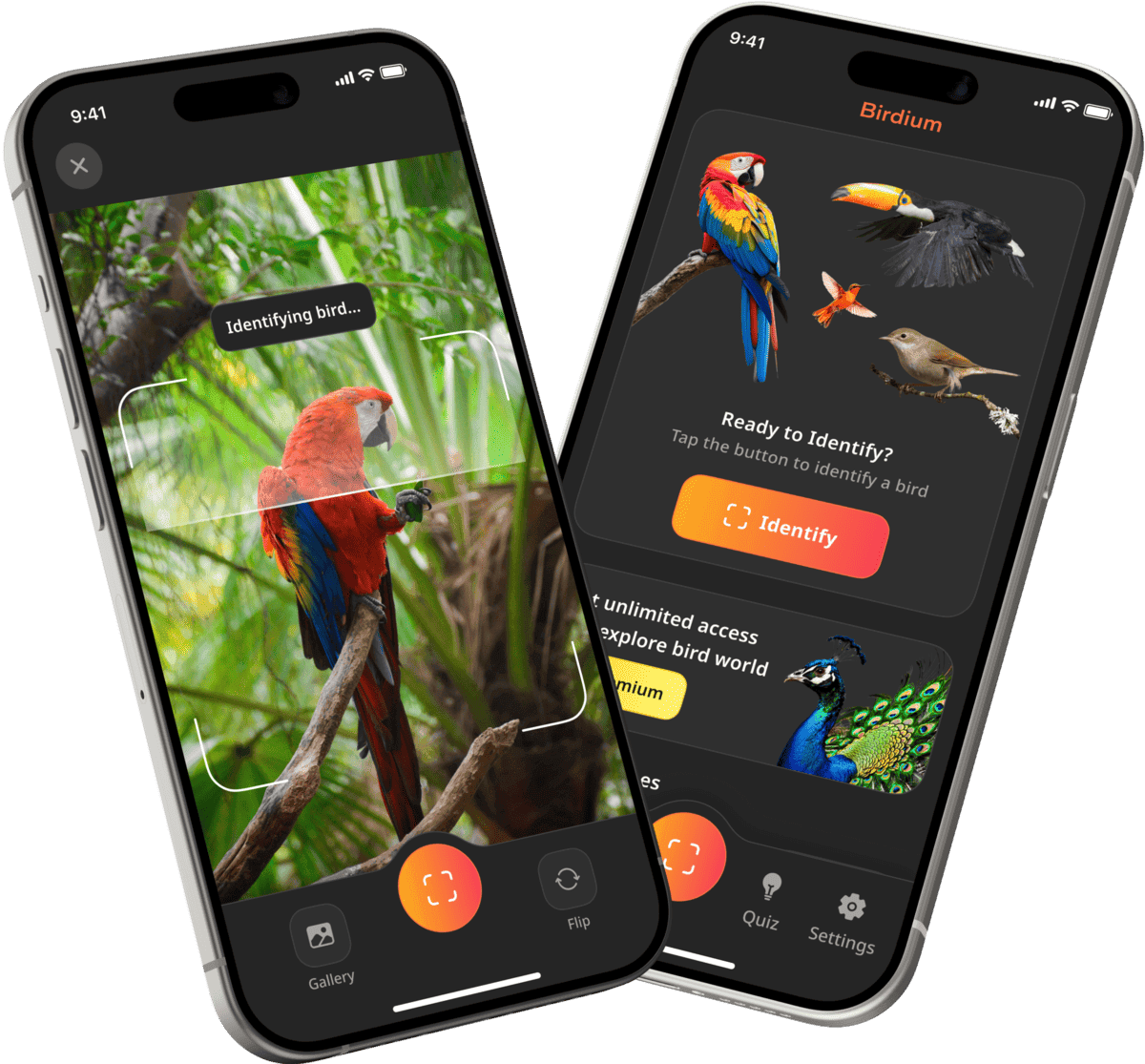


Common Bird Identification Mistakes and How to Avoid Them
Misidentifying birds is part of learning, but repeating the same mistakes can stall your progress. By knowing where birders most often go wrong, you can sharpen your skills and enjoy more confident, accurate bird identification.
Mistake 1: Relying Only on Color
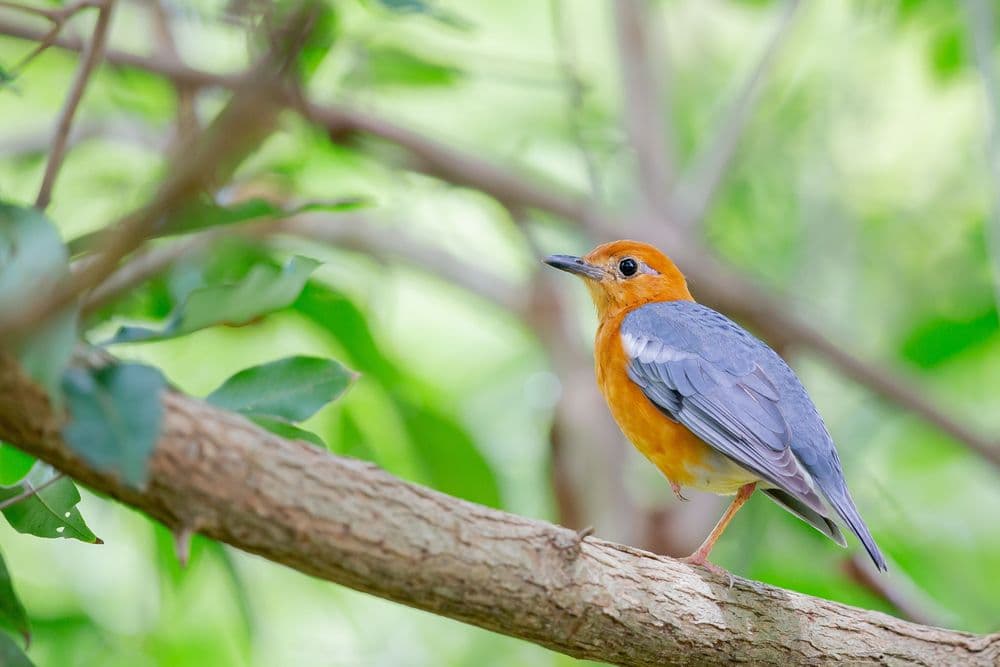
Many birds change color with age, season, and light, and different species can share very similar plumage.
- Focus on the overall shape, size, and posture before worrying about fine color details.
- Compare bill size and shape, leg length, and tail length as these features stay consistent.
- Check multiple field marks rather than trusting a single colorful patch or streak.
Mistake 2: Ignoring Habitat and Range
A “perfect match” in the guide is meaningless if the bird does not occur where or when you saw it.
- Always confirm that the species’ normal range includes your location at that time of year.
- Consider habitat carefully and ask whether the bird fits that environment’s typical species.
- Use local checklists or bird apps to see which birds are realistically expected in your area.
Mistake 3: Overlooking Behavior and Movement
How a bird acts can be more distinctive than how it looks.
- Watch feeding style, such as ground foraging, bark creeping, or flycatching from a perch.
- Notice flight patterns like soaring, flapping, or bounding flight with brief glides.
- Pay attention to social behavior, including whether the bird is alone, in pairs, or in mixed flocks.
Mistake 4: Forgetting to Use Size Comparisons
Estimating size in isolation is notoriously unreliable, especially at a distance.
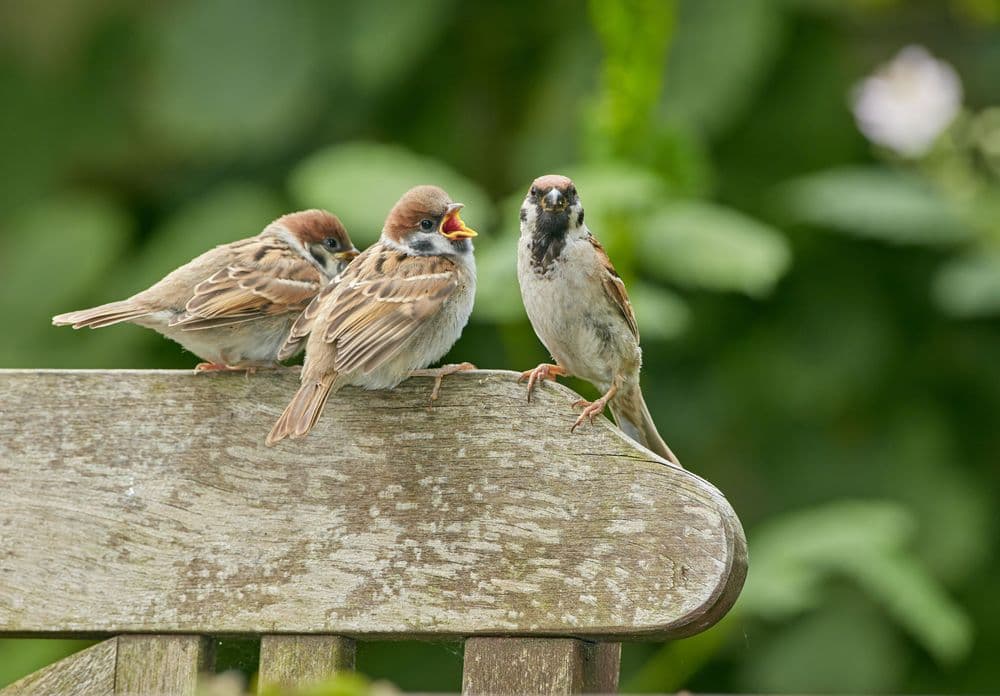
- Compare the bird to known species nearby, such as sparrows, blackbirds, or crows.
- Use familiar objects, like fence posts or branches, to gauge relative size.
- Note whether the bird seems larger or smaller than the common species you know best.
Mistake 5: Neglecting Sounds
Many tricky species look similar but sound very different.
- Listen carefully for rhythm, pitch, and repetition, not just a single note.
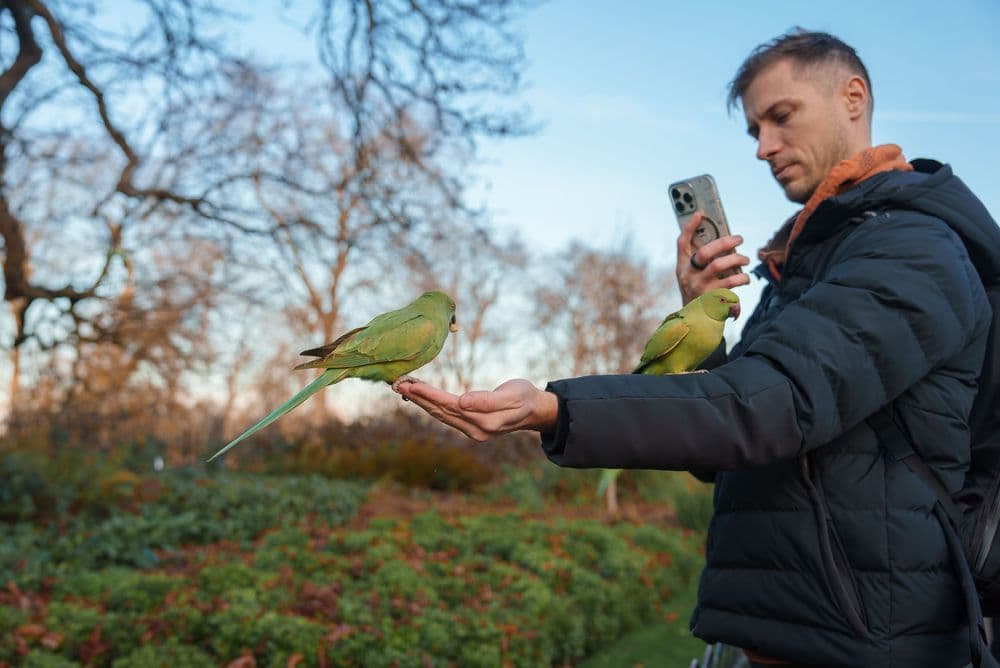
- Record short clips on your phone and compare them with reliable bird sound libraries.
- Practice learning a few common calls at a time instead of trying to memorize everything.
Mistake 6: Rushing the Identification
Racing to name a bird often leads to forced, incorrect matches.
- Take neutral notes on what you see rather than guessing in the moment.
- Accept “unknown” when views are poor and wait for a better look or photo.
- Revisit your notes and photos later with fresh eyes and multiple references.
Conclusion
Reducing bird identification mistakes is less about talent and more about habits. Look beyond color, factor in place and time, study behavior and sound, and resist rushing to a name. With consistent practice and careful observation, your IDs will quickly become more accurate, rewarding, and fun.
 X
X Facebook
 Telegram
 Instagram
 WhatsApp