
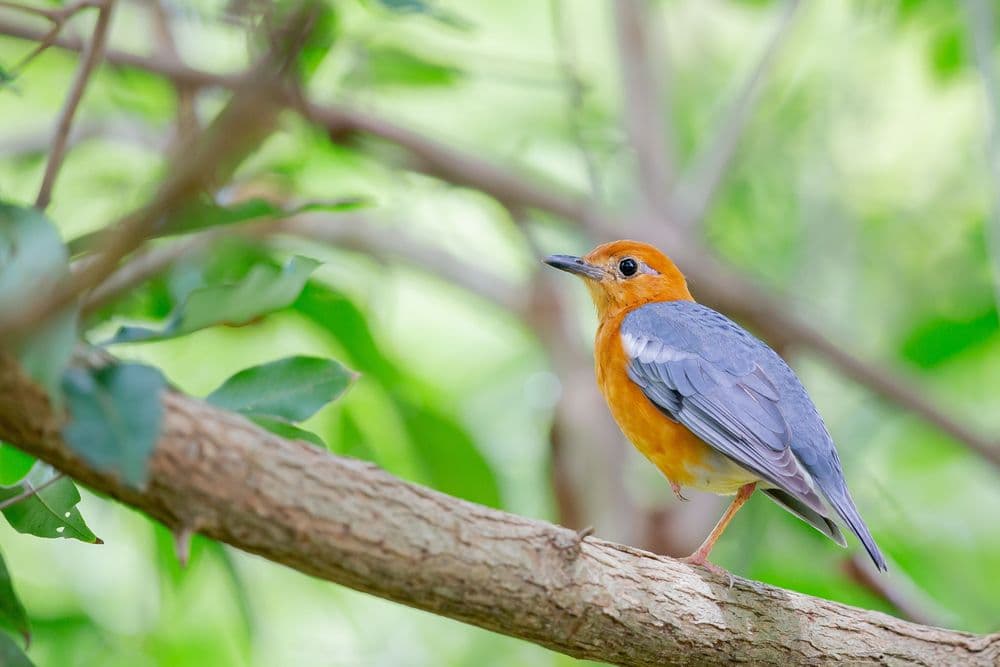
How to Identify Birds by Color, Shape, and Behavior
Identifying birds starts with noticing what stands out first: color, overall shape, and how the bird acts. Training your eye on these three cues turns random sightings into confident IDs.
Using Color the Smart Way
Color is often the first thing you see, but it is easy to misread in poor light or at a distance. Focus on patterns, not just single colors.
- Look for contrast between body parts such as dark heads on pale bodies or bright tails on dull backs.
- Notice specific patches of color such as eye-rings, wing bars, throat patches, caps, or tail tips.
- Compare upperparts and underparts to see whether the bird is darker on top and lighter below or evenly colored.
- Pay attention to light conditions and distance because shade, glare, and backlighting can make bright birds look dull.
- Use color with location and season so you know which color patterns are likely in your area at that time.
Reading Shape and Structure
Shape changes less than color and is often more reliable. Think of each bird as a silhouette first, then add details.
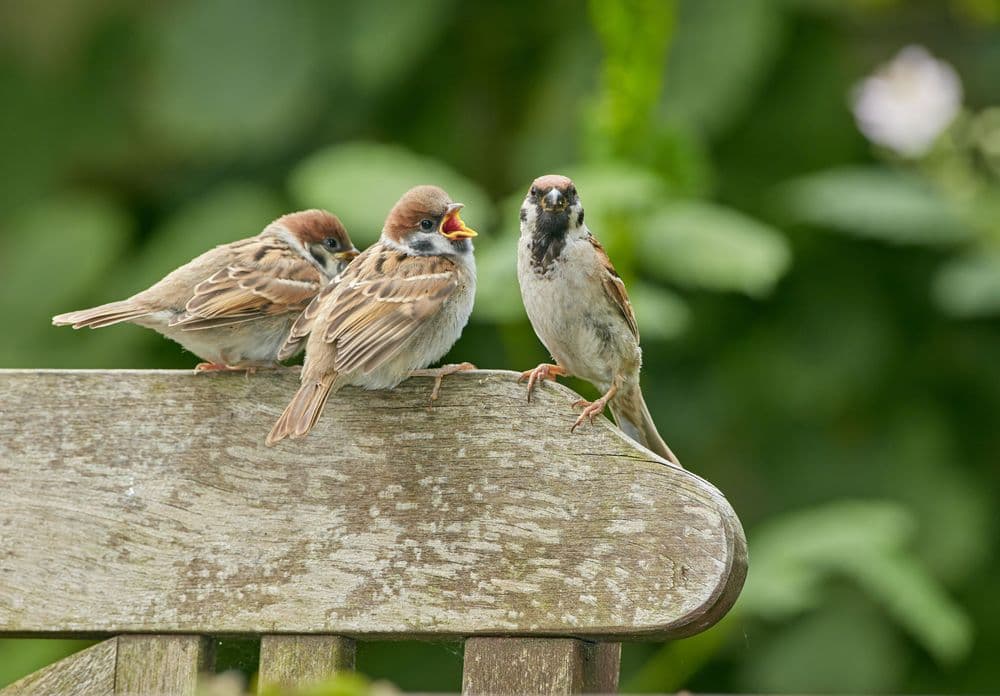
- Start with size by comparing the bird to common references such as sparrow-sized, robin-sized, or crow-sized.
- Notice body proportions such as whether the bird looks slim, chunky, long-tailed, or short-winged.
- Study the bill shape because thin bills usually suggest insect or nectar feeders and thick bills often signal seed eaters.
- Watch the tail length and outline to see if it is forked, rounded, square, or pointed.
- Observe wing shape in flight such as long pointed wings for swift fliers or broad rounded wings for soaring birds.
Using Behavior as a Clue
Behavior often clinches an identification when color and shape are not enough. How a bird moves and feeds can be as distinctive as its plumage.
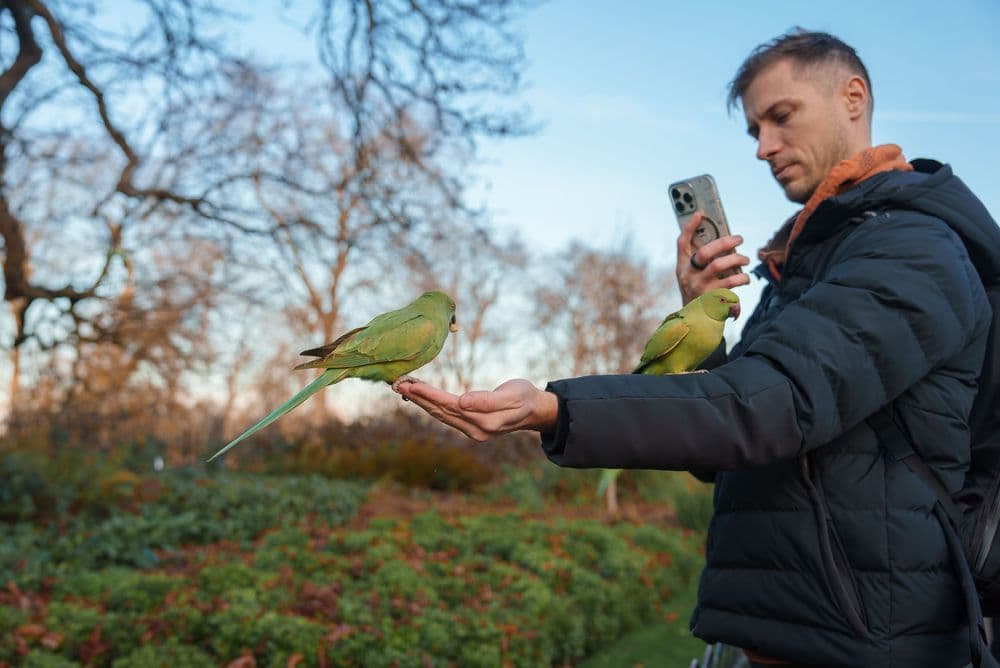
- Note the feeding style such as ground hopping, bark creeping, hovering, or surface diving on water.
- Watch flight patterns such as steady flapping, flap-and-glide, bounding flight, or slow soaring in circles.
- Observe posture because some birds stand upright and alert while others keep low and horizontal.
- Listen to movement habits such as constant tail bobbing, wing flicking, or habitually wagging the body.
- Record habitat use like staying high in the canopy, skimming over open water, or clinging to vertical surfaces.
Pulling Color, Shape, and Behavior Together
Confident identification comes from combining all three cues instead of relying on a single feature.
- Make quick field notes that include one color pattern, one shape trait, and one behavior detail for each bird.
- Prioritize the most unusual feature you saw such as an odd tail shape or a distinctive flight style.
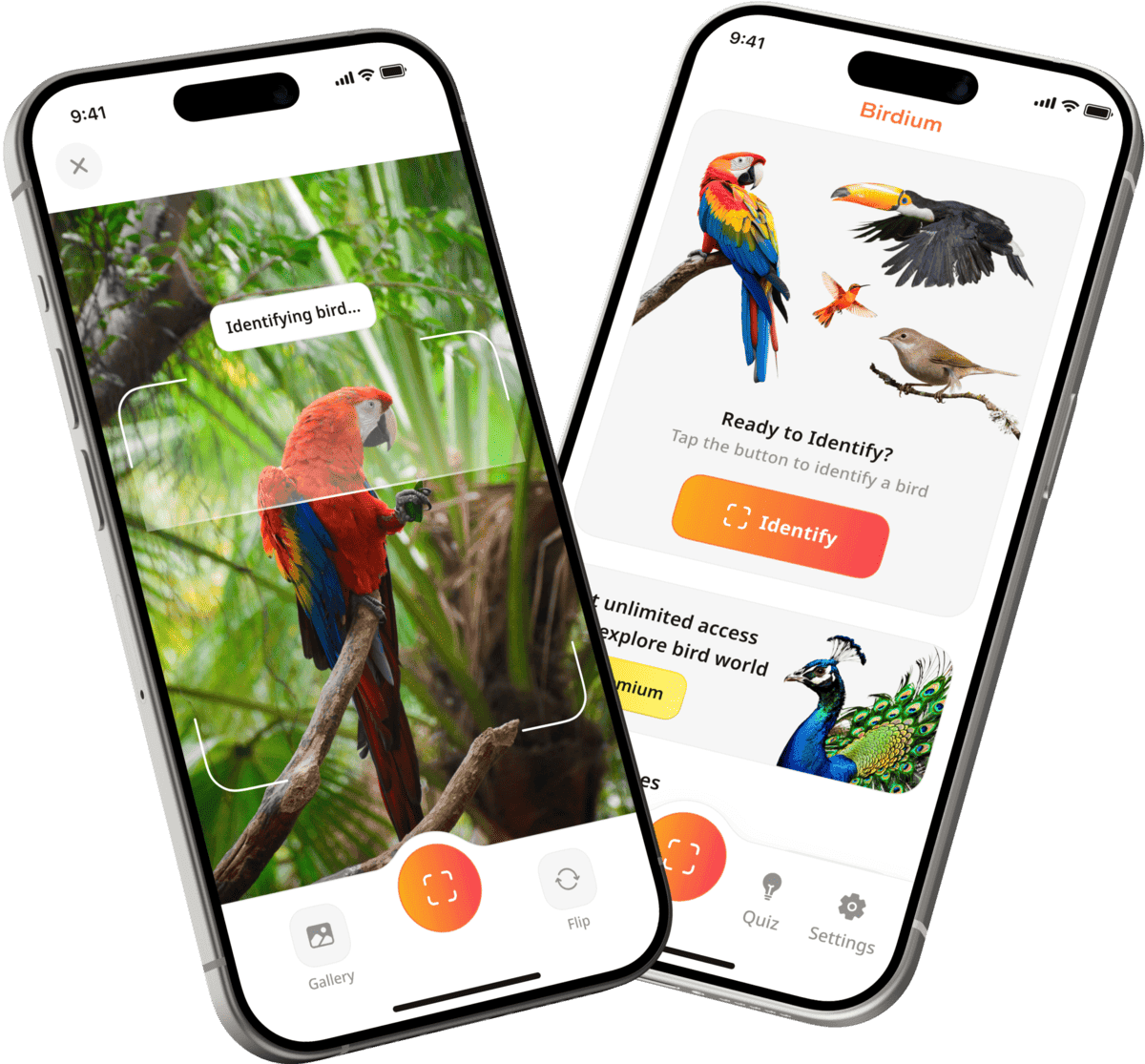
- Use a field guide or app to match your three-part description against similar species.
Conclusion
Bird identification becomes easier when you deliberately look for color patterns, body shape, and behavior together. Train yourself to ask what stood out in each of these three categories for every bird you see. With practice, your notes will turn into fast, accurate IDs and more rewarding time outdoors. Keep observing, recording, and comparing, and your bird recognition skills will steadily sharpen.
 X
X Facebook
 Telegram
 Instagram
 WhatsApp